What Roofing Contractors Wish Every Homeowner Knew
Your home is one of the largest investments you will ever make, and the roof over your head is its first line of defense against the elements. Yet, despite its critical role, the roofing system is frequently overlooked until water starts dripping through the ceiling or severe storm damage forces an emergency response. Understanding how to properly maintain, repair, and replace your roof can save you thousands of dollars and extend the life of your home significantly. To help demystify what goes on above your head, professional trade experts regularly share insights into the subtle warning signs, common maintenance mistakes, and critical structural factors that every property owner should understand. Getting proactive about your home's overhead shield is the single best way to ensure long-term structural integrity and peace of mind.
The True Cost of Delaying Essential Maintenance
Your home protects everything you value, yet its primary shield often goes neglected until severe water stains appear on your ceiling. Many homeowners treat their roofing system as a set-it-and-forget-it feature of the house, assuming that as long as shingles are visible, everything underneath remains perfectly functional. Professional roofing contractors regularly witness the devastating financial consequences of this approach. Minor leaks that could have been addressed with simple, inexpensive fixes gradually transform into structural rot, ruined insulation, and invasive mold colonies.
Regular evaluation is the most effective defense against sudden, high-cost structural failures. According to Allstate, homeowners should have their roofs inspected at least once annually. Taking a proactive stance allows specialists to catch thermal cracking, degraded sealant around vents, and subtle shingle lift before heavy rains drive moisture deep into the decking. Ignoring small warning signs usually forces homeowners into premature replacements that proper upkeep could easily prevent.
The Hidden Vulnerability of Your Gutter Network
Granule loss and debris collection inside gutters provide clear windows into the true age and condition of your overhead materials. As asphalt shingles age, environmental exposure causes their protective surface coating to loosen and wash into drainage channels. While a small amount of sediment is normal during the first few months after installation, continuous heavy accumulation indicates that the material is nearing the end of its functional life.
Clogged gutters create standing water that backs up under the lower roof edges, soaking the fascia board and damaging the underlayment. Professional roofing contractors often find extensive rot along the eaves simply because a homeowner neglected routine gutter cleaning over several seasons. Ensuring that water moves freely away from the home protects not only your shingles, but also the structural integrity of your roof decking, exterior walls, and foundation.
The Complexity Behind Material Selection and Pricing
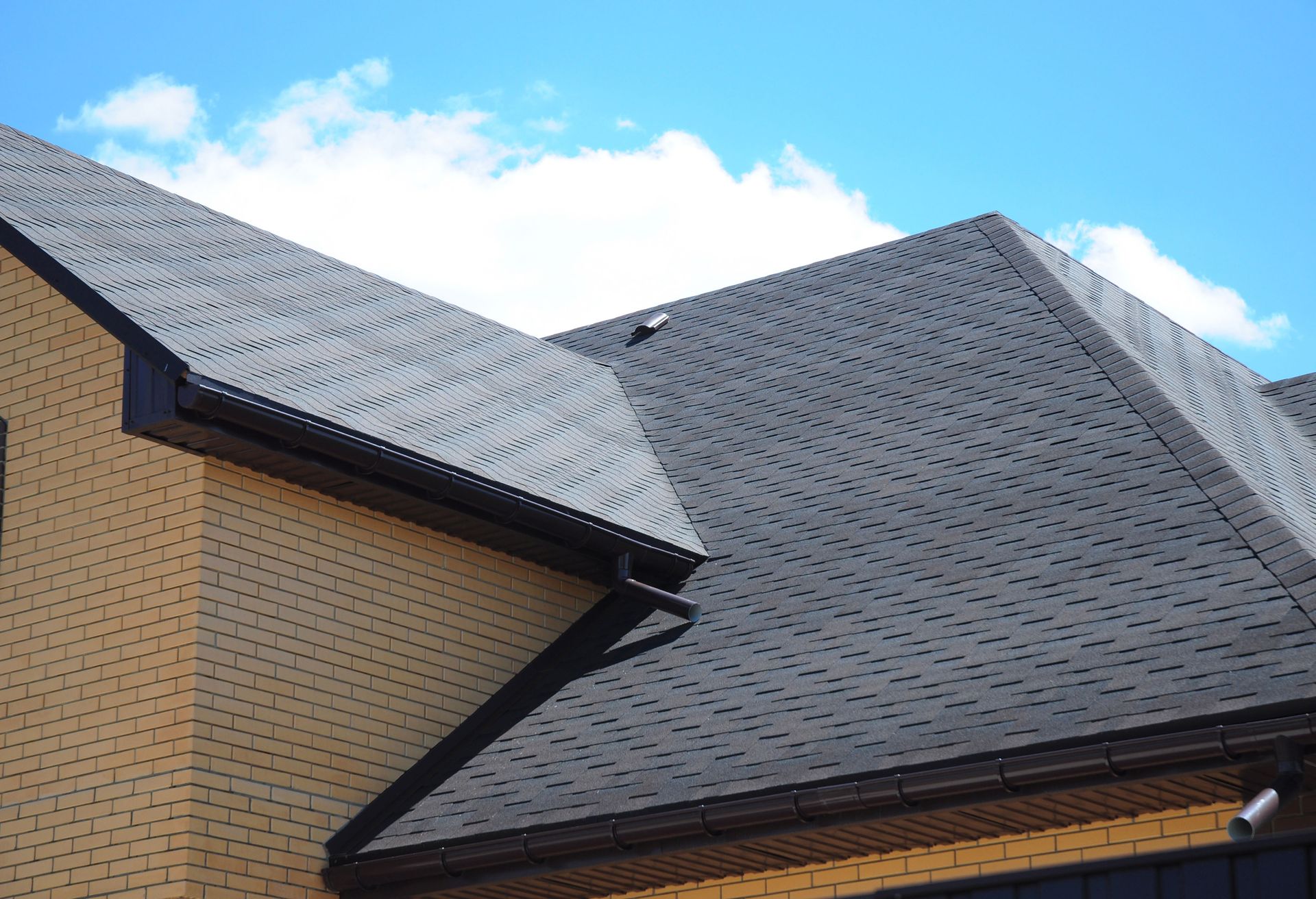
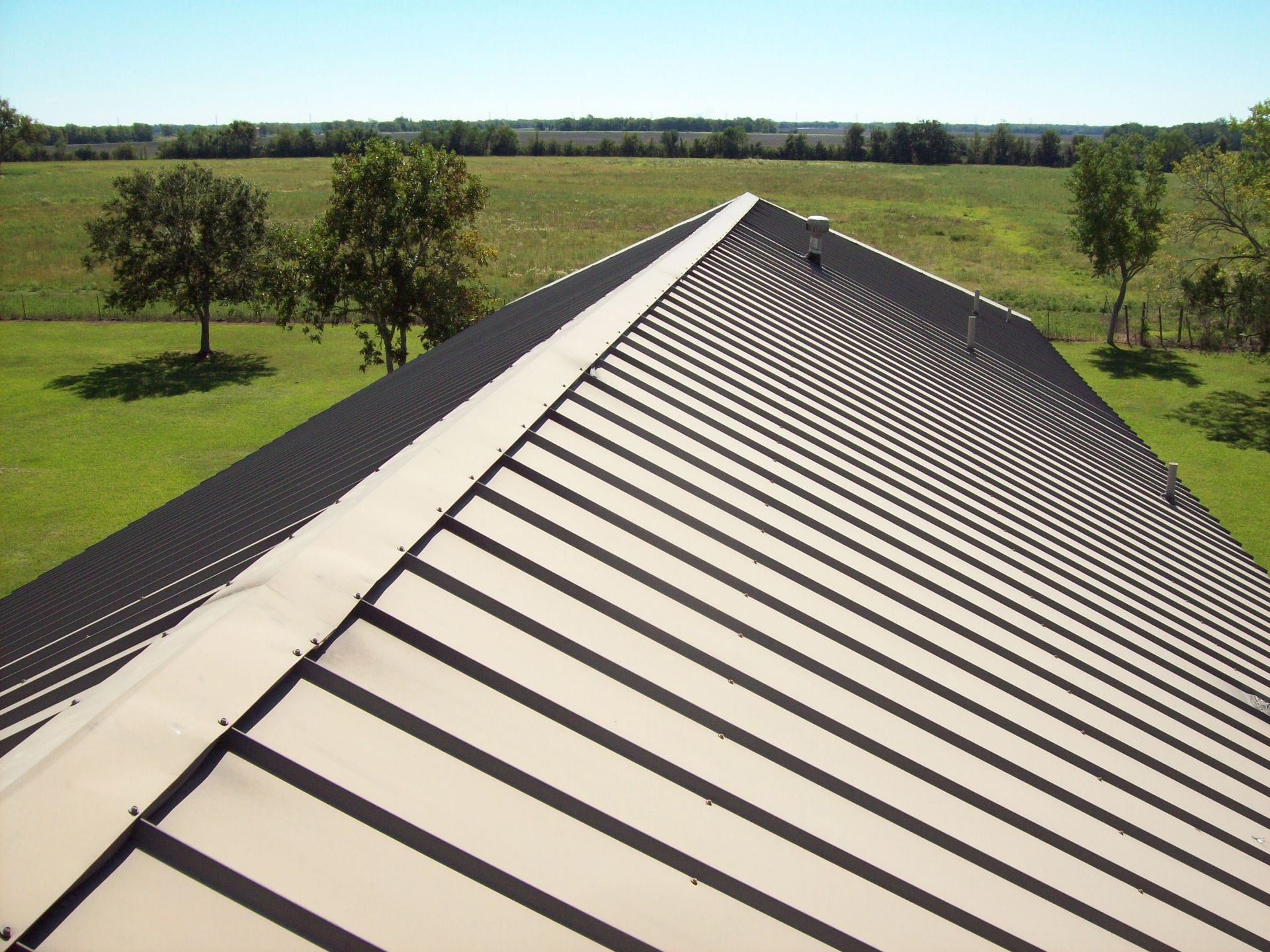
Selecting replacement materials involves far more than simply matching a color swatch to your exterior siding. The market offers a wide spectrum of options, including traditional three-tab shingles, architectural products, synthetic slate, and standing-seam metal. Each material possesses distinct weight profiles, wind-resistance ratings, and installation requirements that directly impact long-term performance and total investment costs.
High-grade products may carry higher initial price tags, but they often yield superior durability and higher energy efficiency over their lifespan. When homeowners partner with experienced roofing contractors, they gain access to valuable guidance regarding local climate demands, wind uplift protection, and manufacturer warranties. Investing in premium underlayment and proper ice-and-water shields pays massive dividends when severe winter storms or high-velocity winds roll through your neighborhood.
The Danger of Inadequate Attic Ventilation
Attic space climate control is directly tied to the lifespan and structural integrity of your shingles. Without balanced intake and exhaust ventilation, extreme heat builds up during summer months, effectively baking the underside of the roof deck and shortening shingle life. In colder weather, trapped humidity rises from living spaces below, condenses on cold wooden rafters, and fosters destructive rot and hazardous mold growth.
Balanced airflow maintains consistent temperatures across the entire deck surface, preventing uneven thermal expansion and minimizing ice dam formation during freeze-thaw cycles. Qualified roofing contractors evaluate intake soffit vents and ridge exhaust mechanisms during every detailed site survey. Ensuring proper airflow preserves your material warranties, reduces household energy consumption, and extends the operational life of the entire system.
The Pitfalls of Do-It-Yourself Repairs
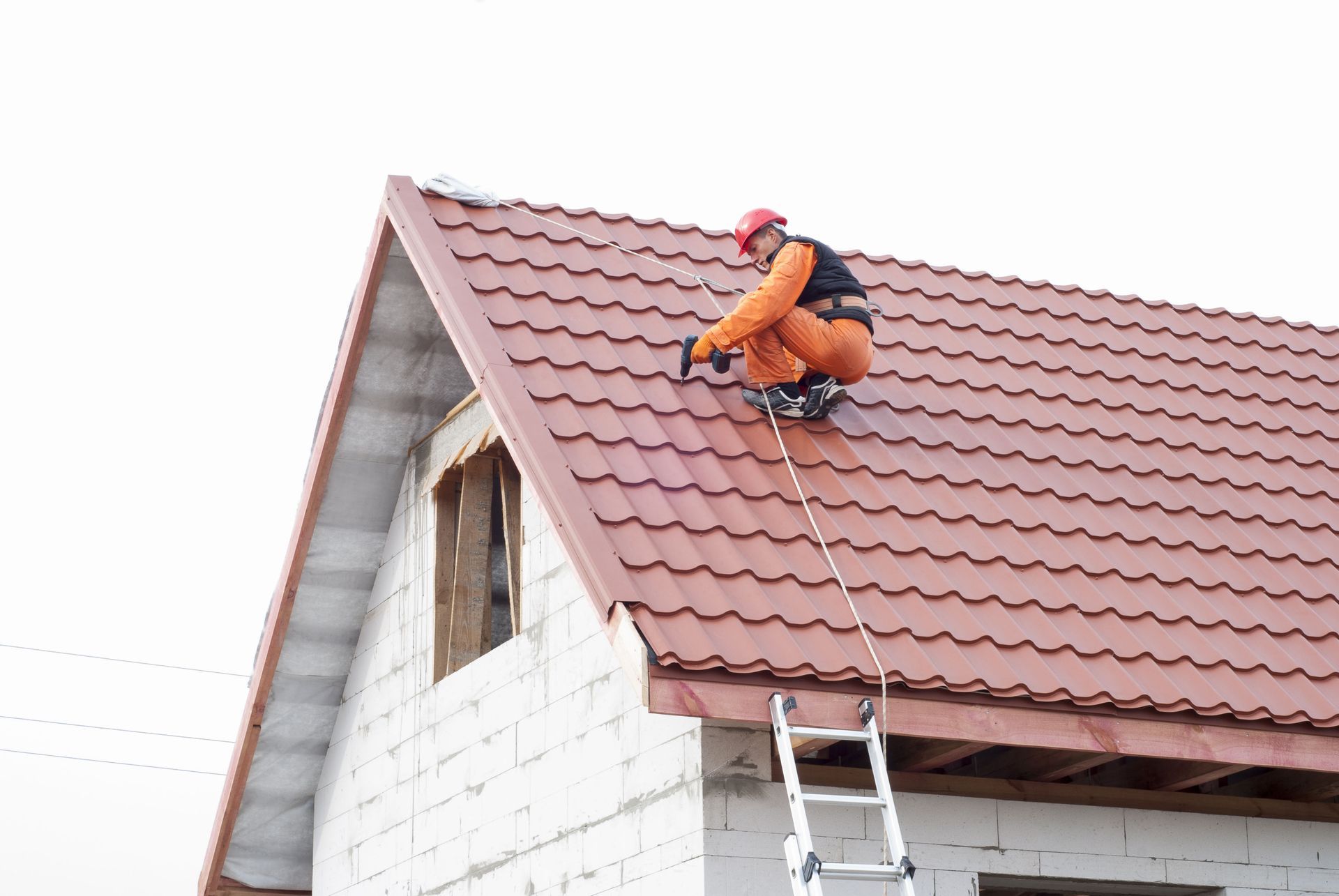
Attempting DIY patches on elevated surfaces introduces extreme personal safety risks and frequently exacerbates existing structural problems. Walking across unstable slope surfaces without certified safety harnesses, proper footwear, and tie-off anchoring systems invites severe physical injury. Furthermore, improper foot placement can crush fragile shingles, crack brittle materials in cold weather, or destroy critical thermal seals.
Incorrect application of retail caulking or mismatched flashing standards traps moisture underneath materials rather than shedding it properly away from the home. Licensed roofing contractors utilize specialized safety gear, technical training, and commercial-grade sealing compounds designed for long-term weather resistance. Professional execution ensures that repairs meet current building codes while maintaining valid manufacturer warranty terms.
The Impact of Local Building Codes and Permits
Navigating local municipal requirements and building permits is a crucial phase of any major home improvement project. Municipal codes mandate specific structural practices, fire resistance ratings, and ice barrier coverage based on local geographical weather patterns. Skipping required city permits can lead to severe municipal fines, forced tear-offs, or complicated legal roadblocks when you decide to sell your home.
Establishing clear compliance keeps your property fully insured and legally protected against workmanship liabilities. Reputable roofing contractors handle the complex permit application process, coordinate local municipal inspections, and ensure that every phase of construction strictly adheres to regional safety standards. Proper documentation guarantees that all structural modifications comply fully with local building department mandates.
The Strategic Approach to Storm Damage and Claims
Navigating the aftermath of severe wind or hail events demands prompt, calculated action rather than emotional panic. Severe weather often inflicts subtle structural harm—such as fractured fiberglass mats or dented flashing—that remains virtually invisible from ground level. Homeowners who wait for active interior water leaks often miss crucial claim filing windows specified in their insurance coverage policies.
Documenting damage immediately following significant weather events ensures that your claim remains valid and fully supported by physical evidence. Reliable roofing contractors provide detailed structural assessments, photo documentation, and itemized repair estimates to assist property owners during the adjuster evaluation. Collaborative communication between property owners, adjusters, and technical experts guarantees that all necessary restoration items receive full financial consideration.
The Value of Clear Communication and Contracts
Establishing transparent written contracts protects property owners against unexpected financial additions, project delays, and substandard installations. Detailed agreements clearly outline material specifications, total labor costs, cleanup procedures, property protection plans, and project completion schedules. Trustworthy professional teams readily provide written proof of active workers' compensation insurance and commercial liability coverage before setting foot on your property.
Understanding warranty distinctions between material manufacturer protection and installation workmanship guarantees long-term peace of mind. While product warranties cover material defects, labor guarantees cover installation quality and execution errors. Clear, honest communication between homeowners and professional teams fosters mutual trust, eliminates guesswork, and ensures that your home investment receives the highest level of care.
Taking care of your roof is ultimately about protecting your home, your family, and your financial security. By prioritizing annual inspections, staying on top of gutter maintenance, understanding the importance of attic ventilation, and trusting complex repairs to trained specialists, you can avoid catastrophic structural failures and astronomical emergency expenses. Open communication, proper permitting, and formal contracts ensure that any work performed on your property provides durable, long-lasting value. Treating your overhead shield as a vital system rather than an afterthought ensures that your home stays dry, comfortable, and safe for decades to come. Contact Savage Roofing & Gutter LLC today to schedule a comprehensive roof evaluation and safeguard your home for years to come.
Share On: